
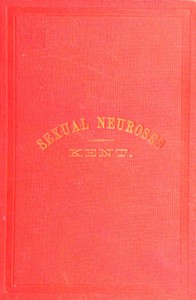
Sexual Neuroses by J. T. Kent
Let's be clear from the start: this isn't a storybook. 'Sexual Neuroses' is a medical textbook from 1898, written by Dr. James Tyler Kent, a major figure in homeopathic medicine. There's no plot in the traditional sense. Instead, the book is Kent's attempt to diagnose and treat what he saw as nervous disorders rooted in sexual function.
The Story
The 'story' is really Kent's argument. He believed that many chronic illnesses, especially in women, were caused by problems in the reproductive system affecting the nerves. He details symptoms like anxiety, fatigue, and pain, linking them all back to a sexual cause. The book is structured like a doctor's guide: he describes a condition, like 'hysteria' or 'sexual neurasthenia,' and then lists the specific homeopathic remedies he thinks will cure it—things like Sepia (made from cuttlefish ink) or Lilium tigrinum (from tiger lily).
Why You Should Read It
You should read this not for medical advice, but as a historical document. It's a direct line to the past. Kent's writing reveals the unquestioned assumptions of his time. The way he talks about women's bodies and minds can be shocking to a modern reader. It shows how medicine was deeply intertwined with social beliefs about gender and morality. Reading it makes you appreciate how far we've come in separating mental health from moral judgment. It's also surprisingly personal at times; you feel Kent's genuine conviction that he's helping people, even when his methods seem strange to us now.
Final Verdict
This book is perfect for history buffs, medical students, or anyone curious about the weird history of psychology. It's not an easy or comforting read. You need to come to it with a critical mind, understanding it as a product of its era. If you're fascinated by how people in the past explained the human experience, or if you want to understand the roots of some persistent stereotypes about women's health, this is a primary source that's both illuminating and a little unsettling. It's a reminder that what we 'know' about medicine is always evolving.
The copyright for this book has expired, making it public property. It serves as a testament to our shared literary heritage.
John Jackson
1 year agoIf you're tired of surface-level information, the objective evaluation of the pros and cons is very refreshing. I’ll definitely be revisiting some of these chapters again soon.
Ashley Ramirez
6 months agoWow.
Elijah Clark
7 months agoThanks for the recommendation.
George Flores
1 year agoBased on the summary, I decided to read it and the clarity of the writing makes this accessible. I would gladly recommend this title.








William Miller
1 year agoUnlike many other resources I've purchased before, the concise summaries at the end of each section are a lifesaver. The insights gained here are worth every minute of reading.