
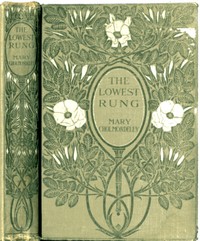
The Lowest Rung by Mary Cholmondeley
Mary Cholmondeley's 'The Lowest Rung' is a quiet storm of a novel, set in the drawing rooms and corridors of a late-Victorian estate. It's less about dramatic events and more about the atmosphere of subtle oppression.
The Story
The plot centers on the complex relationship between a well-born woman, accustomed to her place at the top of the local social order, and the new governess she employs. The governess, Miss Willoughby, is educated and capable, but she exists in a social limbo. She's not a servant to be ordered about roughly, nor is she an equal to be welcomed into the family circle. The lady of the house, Mrs. Denvers, isn't a cartoon villain. She's a product of her time, believing deeply in the natural hierarchy of things. The story unfolds through a series of small, telling incidents: a thoughtless remark here, a withheld confidence there, the constant, invisible line drawn between 'us' and 'her.' We see how this chilly environment affects Miss Willoughby, chipping away at her spirit, and how Mrs. Denvers remains mostly blind to the damage she causes, all in the name of propriety.
Why You Should Read It
I picked this up expecting a gentle period piece and found something much more pointed. Cholmondeley is a brilliant observer of human nature. Her characters feel real because their flaws are so ordinary. Mrs. Denvers isn't evil; she's just comfortably superior. That's what makes the book so effective and, at times, uncomfortably relatable. It made me think about the modern 'lowest rungs'—who we unconsciously exclude or look down upon in our own communities, offices, or social media circles. The book is also a fascinating look at the limited options for intelligent women at the time. Whether you sympathize with the trapped governess or get frustrated by the oblivious lady, you'll be pulled into their world.
Final Verdict
This book is perfect for readers who love character-driven stories from authors like Jane Austen or Elizabeth Gaskell, but who want something with a slightly sharper, more psychological edge. If you enjoy stories that explore social dynamics and quiet power struggles over action-packed plots, you'll find 'The Lowest Rung' incredibly satisfying. It's a short, smart novel that packs a lasting punch about dignity, class, and the walls we build between each other.
This is a copyright-free edition. Enjoy reading and sharing without restrictions.
Anthony Harris
5 months agoWithout a doubt, the author's voice is distinct and makes complex topics easy to digest. Absolutely essential reading.
Ashley White
9 months agoHonestly, it challenges the reader's perspective in an intellectual way. I will read more from this author.
Lucas Robinson
10 months agoI stumbled upon this title and the storytelling feels authentic and emotionally grounded. A true masterpiece.
Ava Miller
10 months agoI was skeptical at first, but the character development leaves a lasting impact. Don't hesitate to start reading.
Karen Rodriguez
1 year agoBefore I started my latest project, I read this and the author doesn't just scratch the surface but goes into meaningful detail. I'm genuinely impressed by the quality of this digital edition.